Catégorie : Non classé

  • Workplace Sedentary Lifestyle: How to Avoid It and Regain Daily Energy

    Workplace Sedentary Lifestyle: How to Avoid It and Regain Daily Energy

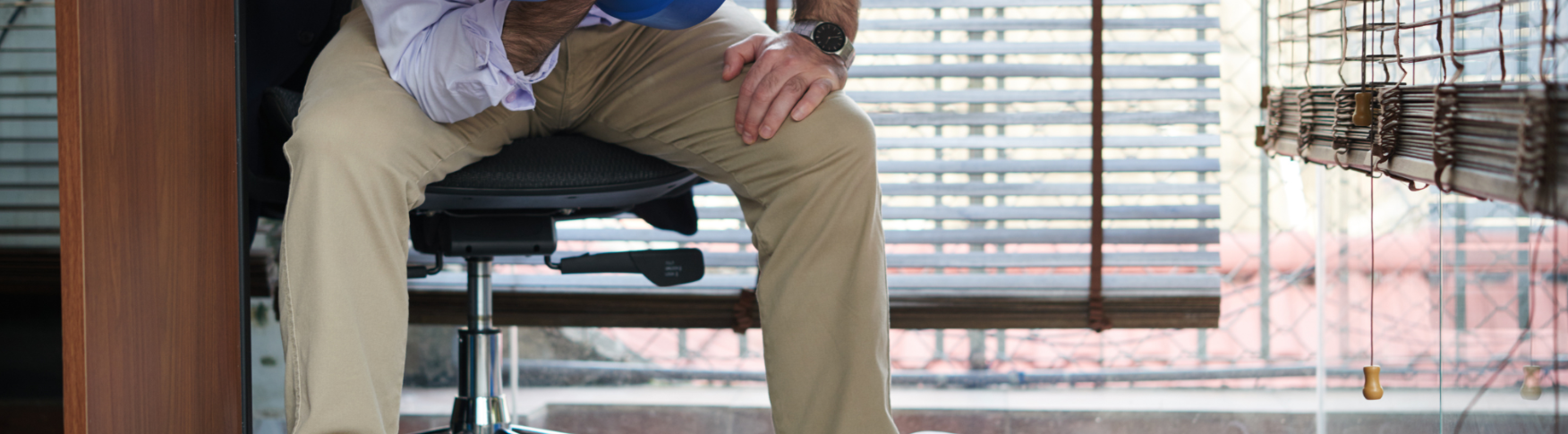
    We are spending more and more time sitting—at our desks, in meetings, on video calls, and often again in the evening. As a result, a sedentary lifestyle gradually sets in without us even noticing. Yet a few simple adjustments can transform your workdays and have a direct impact on your energy levels, health, and even motivation. The good news? There are solutions.

    💡 Understanding the Effects of Sedentary Behavior to Take Action

    Sitting for more than 7 hours a day significantly increases the risk of muscle pain, chronic fatigue, and cardiovascular issues. According to the World Health Organization, nearly 1 in 4 adults worldwide is not sufficiently active, making physical inactivity one of the leading health risk factors today.

    But it’s not just the body that is affected—the mind is too. Reduced concentration, increased stress, and that end-of-day “energy crash” are all common consequences. Moving regularly helps stimulate circulation, oxygenate the brain, and restore mental clarity.

    💡 Integrating Movement Without Disrupting Your Schedule

    No need to run a marathon between meetings. The goal is to introduce small active moments throughout the day. Standing up every 60 to 90 minutes, walking during phone calls, or stretching after long work sessions—these active micro-breaks make a real difference.

    A recent study shows that simply standing up and moving for 5 minutes every hour can reduce back pain and improve mood. Small actions, but powerful when they become habits.

    💡 Workplace Wellness and Sport: A Real Performance Driver

    Taking time to move during the workday—even briefly—has measurable effects on well-being and efficiency. Dedicated physical activity or wellness breaks help release tension, reduce accumulated stress, and restore mental clarity.

    The result: better concentration, more energy throughout the day, and stronger engagement at work.

    According to a study by the INRS, companies that encourage physical activity see improvements in productivity and a reduction in absenteeism. Moving at work also creates opportunities for informal social interaction, strengthening team connections and improving workplace atmosphere.

    💡 Building Collective Momentum to Stay Motivated

    It is always easier to maintain healthy habits together. Joining group sessions, taking part in team challenges, or simply sharing progress with colleagues creates positive momentum. Sport then becomes a moment of enjoyment and connection rather than an obligation.

    With Trainme, everyone can find an activity suited to their level and goals.

    🚀 Conclusion: What If You Took the First Step Today?

    Combating sedentary behavior at work is not about doing more—it’s about moving better. Every step counts, every stretch matters. By gradually integrating movement into your workday, you are investing in your health, well-being, and work-life balance.

    So why not take advantage of Trainme’s solutions to turn your breaks into energizing moments? Your body, your mind—and even your schedule—will thank you.

  • Optimizing Your Workday: The Secret Lies in Your Energy Peaks!

    Optimizing Your Workday: The Secret Lies in Your Energy Peaks!

    Have you ever felt like you were struggling to stay productive in front of your screen at 2:30 p.m., even though just two hours earlier you were incredibly efficient? Don’t worry—it’s not a lack of willpower. It’s simply your biology at work. We are not robots designed to perform at a constant pace for eight straight hours. Learning to identify and make the most of your natural energy peaks is the key to working less, but better, while also protecting your mental well-being.

    🧠 Understand Your Internal Clock to Work Smarter

    Chronobiology teaches us that our alertness and cognitive abilities follow natural cycles. For most people, the peak concentration period occurs in the morning, between 9 a.m. and noon. This is the ideal time to tackle complex projects or make strategic decisions.

    The key statistic: A study published by the Harvard Business Review found that employees who align their most demanding tasks with their natural energy peaks can be up to 40% more productive than those who constantly fight against their biological rhythm.

    📉 Managing the Afternoon Slump Without Feeling Guilty

    That famous afternoon energy dip—often linked to digestion and a drop in body temperature—is completely normal. Instead of forcing yourself through it and relying on endless cups of coffee, it’s the perfect time to switch to lighter administrative tasks or… get moving!

    This is where Trainme becomes your best ally. A gentle yoga session, a breathing workshop, or even a 15-minute mobility routine can reboot your energy without exhausting you. By accepting this temporary drop in performance, you prepare yourself for the second energy peak that usually appears later in the afternoon.

    🏃 Exercise: Your Natural Energy Regulator

    Physical activity isn’t just about burning energy—it’s also one of the best ways to generate vitality. Practicing sports or wellness activities at work, or online with colleagues, helps regulate cortisol (the stress hormone) while boosting dopamine levels.

    The benefits are twofold:

    • Immediate: You return to your desk with renewed mental clarity.
    • Long-term: You improve the quality of your sleep, ensuring a stronger energy peak the next morning.

    🤝 Turning Individual Performance Into Collective Success

    For HR teams and workplace wellness managers, encouraging employees to respect their natural rhythms is a powerful driver of workplace well-being and quality of life at work (QWL). A team that knows when to push forward and when to recharge is less exposed to burnout and more engaged overall.

    Organizing group fitness sessions through Trainme during low-energy periods can transform moments of reduced individual productivity into powerful opportunities for team bonding.

    Did you know? Taking a real active break can reduce feelings of fatigue by up to 65% at the end of the day. So why wait until you’re exhausted to take action?

    Listen to your body, plan your efforts wisely, and make the most of the resources available to turn your workday into a source of fulfillment.

    👉 Discover available sessions and book your next Trainme class today!

  • 30 Minutes of Exercise at Work: The Secret to Completely Transforming Your Day

    30 Minutes of Exercise at Work: The Secret to Completely Transforming Your Day

    We often tell ourselves, “I don’t have time.” Between back-to-back meetings, urgent deadlines, and unexpected issues, fitting a workout into the middle of the day can feel nearly impossible. But what if those 30 little minutes were actually your most powerful productivity tool?

    Far from being a waste of time, an active break is a true investment in both your body and your mind. Here’s why half an hour of movement can completely change the course of your day.

    🧠 A “Reset” Button for Your Brain

    After several hours of intense focus, our brains become overloaded. Mental fatigue sets in, creativity fades, and careless mistakes start creeping in. Physical activity—even a short session—boosts oxygen flow to the brain and releases a cocktail of hormones (endorphins, dopamine, and serotonin) that act like a real mental “dry cleaning” process.

    The number that matters: According to a study by the University of Bristol, employees who engaged in physical activity during their workday reported a 21% improvement in concentration and a 41% increase in motivation.

    🚀 More Energy Than a Double Espresso

    People often think exercise drains energy, when in reality, it creates it. By stimulating blood circulation, you activate your nervous system and effectively fight off the infamous afternoon slump. Instead of enduring the rest of your day, you take control of it. The result? You return to your tasks with renewed mental clarity and enough energy left to fully enjoy your evening personal life.

    🤝 Exercise: The New “Glue” for Team Spirit

    A positive social atmosphere is one of the secret ingredients of workplace fulfillment. Sharing a Yoga, Pilates, or Circuit Training session with colleagues breaks down hierarchical barriers and strengthens team cohesion. You support each other through the effort, laugh about your progress, and create shared memories that have nothing to do with spreadsheets or emails. It’s proven: teams that move together communicate better together.

    💡 Our Tips for Bringing More Movement Into Your Day

    You don’t need fancy equipment to fight sedentary habits. Here are a few easy ways to accumulate your 30 minutes naturally:

    • The Stair Rule: Turn stairs into your new best friend. Skip the elevator whenever possible—it’s one of the simplest ways to strengthen your heart and legs throughout the day.
    • The Walking Meeting: If a meeting doesn’t require screen sharing, suggest holding it while walking. Movement encourages conversation and sparks fresh ideas.
    • Micro-Stretching: Every hour, take 2 minutes to stretch your arms, neck, and chest. These mini-breaks add up quickly.
    • An Active Lunch Break: Instead of sitting after lunch, use the last 15 minutes for a brisk walk. It’s incredibly effective against post-meal drowsiness.

    In Short: Less Stress, More Enjoyment

    Taking care of yourself is no longer optional—it’s essential if you want to stay healthy, productive, and fulfilled over the long term. Thirty minutes represent only 2% of your day, yet the impact on your physical and mental well-being is enormous.

    So, shall we meet on the mat? Your body—and your colleagues—will thank you for it!

  • Active Micro-Breaks: The Overlooked Secret Behind Your Most Productive Days

    Active Micro-Breaks: The Overlooked Secret Behind Your Most Productive Days

    Stuck on an important project? Eyes strained from staring at your screen, and that third coffee of the day isn’t even helping anymore? We all tend to react the same way: pushing harder and forcing ourselves through, hoping inspiration or energy will magically return. But what if the real solution was simply to stop… for just a few minutes?

    Far from being a sign of distraction, the “active micro-break” has become the latest must-know trick for boosting workplace well-being. It’s a simple habit that can transform your workdays, helping you stay productive while preserving your balance and energy for your personal life afterward.

    🧠 Your Brain’s “Reset” Button

    Our minds simply aren’t designed to stay intensely focused on one task for hours without interruption. After a while, mental fatigue inevitably sets in. Standing up and moving around—even for just 3 to 5 minutes—helps restore oxygen flow to the brain and release mental tension.

    A statistic worth noting: A recent study from the University of Sydney (2023) showed that an unstructured micro-break of only 5 minutes is enough to significantly restore attention. The result? You return to work with a clearer mind and a real productivity boost.

    ⚡ Saying Goodbye to Physical Tension

    The human body was made to move. Sitting still for too long eventually tightens the shoulders, compresses the spine, and stiffens the neck. An active micro-break acts like an instant antidote to these everyday aches and pains.

    Taking a moment to stretch or walk a few steps reactivates blood circulation. It gives you a natural energy boost—much healthier and more sustainable than a sugary afternoon snack. By moving regularly, you also protect your posture over the long term.

    🤝 A Small Moment of Connection

    Who says breaks have to be taken alone? Use a micro-break as an opportunity to invite a colleague for a quick walk around the office or a few light stretches near the coffee machine. These shared moments, away from screens and spreadsheets, help lighten the atmosphere. You chat, laugh over little things, and strengthen team spirit. It’s a great way to build a warm, positive dynamic in your workplace.

    💡 3 Simple Ways to Start Today

    No workout gear required for these short breaks! Here’s how to naturally integrate them into your schedule:

    • Walk During Calls: Have a quick phone call that doesn’t require your computer? Take it standing up or walking through the hallways.
    • Set a Visual Reminder: Set an alarm every 60 minutes. Stand up, look out the window into the distance (to rest your eyes), and drink a large glass of water.
    • Desk Stretching: Without even leaving your desk, stretch your arms toward the ceiling while taking a deep breath, then gently tilt your head from side to side to relax your neck muscles.

    Turn Small Breaks Into a Bigger Wellness Routine

    In short, active micro-breaks are one of the best ways to maintain your energy throughout the day. They help create a healthier balance and teach you to listen more carefully to your body. Of course, while these few minutes can work wonders in the short term, nothing replaces a proper sports or relaxation session to truly unwind, build strength, or release stress more deeply.

    Ready to take a more complete approach to workplace well-being—with your colleagues by your side?

  • Comment soulager les douleurs tendino-ligamentaires ?

    1. Qu’est-ce qu’une douleur tendino-ligamentaire ?

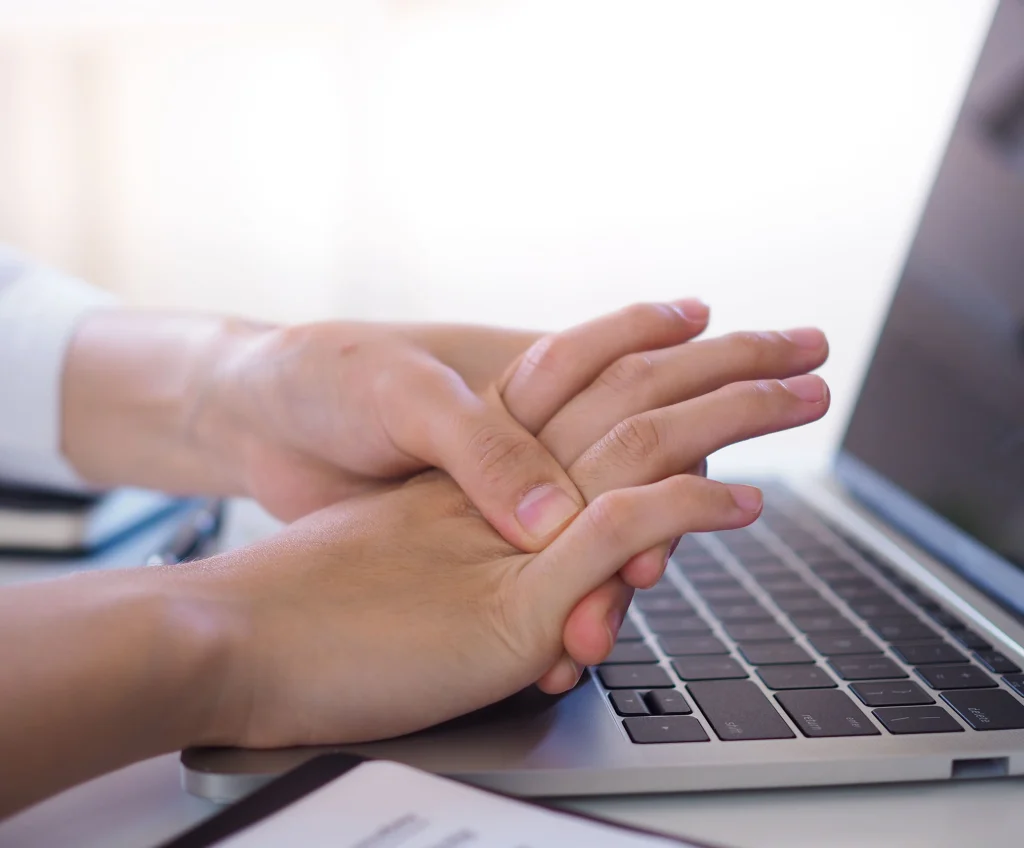
    En cas de douleur tendino-ligamentaire, ce sont les tendons ou les ligaments qui sont au cause. Cette douleur peut être intense au point d’empêcher d’accomplir les gestes de la vie quotidienne.

    Cette douleur est liée à une fatigue des tendons ou des ligaments. Lorsqu’ils sont soumis à des sollicitations répétées sans échauffement préalable, les fibres peuvent être endommagées pouvant entrainer une douleur.

    Toutes les parties du tendon peuvent être touchées : le tendon lui-même, la partie attachée à l’os ou les gaines qui l’entourent.

    Les douleurs tendino-ligamentaires peuvent affecter de nombreuses parties du corps : le coude, l’épaule, le genou, la main, le poignet, le pied, la cheville, la hanche, le pubis et le pelvis (pubalgie touchant fréquemment les footballeurs).

    2. Quels sont les symptômes d’une douleur tendino-ligamentaire ?

    Les douleurs tendino-ligamentaires se ressentent au niveau du tendon ou des ligaments. Elles peuvent se manifester lors de son étirement passif (quand le muscle est au repos), lors de sa mise en tension (quand le muscle est contracté) ou encore lorsqu’on le palpe afin d’établir un diagnostic. On distingue différents niveaux de gravité des douleurs tendino-ligamentaires, que seul un médecin peut diagnostiquer. Lorsque la douleur se manifeste pendant l’effort, ou occasionne une gêne dans la vie quotidienne et sportive, il est nécessaire de consulter sans attendre.

    3. Comment soulager les douleurs tendino-ligamentaires ?

    De façon générale, le repos est l’un des traitements les plus efficaces pour soulager une douleur tendino-ligamentaire. Lorsqu’elle est en phase aigüe, plusieurs gestes sont recommandés :

    1. Reposer la zone douloureuse (soulager l’appui, limiter les activités physiques et sportives, adapter l’ergonomie au travail…)

    2. Immobiliser le tendon et le ligament avec un bandage élastique,

    3. Apaiser la douleur en posant une poche à glace sur la zone blessée. Ne pas placer la glace au contact direct de la peau car elle pourrait créer des brûlures. La placer dans un linge. Il est possible d’avoir recours à un sac de petits pois surgelés qui pourra épouser la forme de la région lésée. Le sac peut être recongelé en vue d’autres applications et bien sûr jeté ensuite : on ne mange jamais un aliment congelé qui a été décongelé puis recongelé !

    Toutefois, si la douleur persiste, consulter un médecin qui prescrira des examens, ainsi qu’un traitement et des soins adaptés

    Comment éviter les douleurs tendino-ligamentaires ?

    1) S’échauffer avant l’effort

    Parfois vécu comme un passage obligé et traité de façon expéditive, l’échauffement doit pourtant devenir un automatisme : une sorte de rituel qui précède l’effort. Au moins dix minutes sont nécessaires pour que les tendons et les ligaments soient préparés. L’échauffement doit être progressif. Souvent, il commence par une course lente qui gagne ensuite en intensité. Il doit être complété par des étirements et des assouplissements afin de préparer les muscles et les articulations à l’effort. Il est aussi important de bien respirer afin d’assurer une bonne qualité d’oxygénation. Ensuite alors, on peut effectuer quelques mouvements propres à la discipline, comme des smashes pour un volleyeur ou un tennisman, des tirs au pied pour un footballeur…

    2) Acquérir une meilleure technique sportive

    Lorsqu’on se lance dans une nouvelle activité sportive, il est indispensable de suivre des cours avec un moniteur pour bien maitriser ses gestes et adopter les bonnes postures qui éviteront les douleurs tendino-ligamentaires.

    3) Avoir un équipement adapté

    Il commence par le choix de bonnes chaussures, adaptées au sport pratiqué, au terrain ainsi qu’au poids et au pied du sportif : indispensable pour prévenir les accidents et les maladies liés au sport, comme les douleurs tendino-ligamentaires des membres inférieurs.

    4) Adapter l’ergonomie du poste de travail 

    Fauteuil de bureau, souris d’ordinateur, repose poignet, mallette à roulettes…

    5) Faire des pauses régulières

    Quelle que soit l’activité ou le sport pratiqué, dès qu’ils impliquent des mouvements répétés, faire de pauses régulières pour reposer les muscles, les tendons, les ligaments et les articulations.

    6) S’hydrater avant, pendant et après l’effort

    Lors d’un effort, la transpiration, la respiration et la production d’énergie amenuisent les réserves en eau de l’organisme. Il est indispensable de boire avant, pendant et après l’effort pour reconstituer ces réserves, au risque de s’exposer à une déshydratation pouvant entrainer des crampes, des douleurs tendino-ligamentaires, mais aussi des malaises.

    7) Les aliments du sportif à conseiller en prévention des douleurs tendino-ligamentaires

    Curcuma, magnésium, taurine, eau gazeuse, bananes, fruits à coque…

    8) Faire des étirements après l’effort

    Impératif en fin de séance : les étirements ! Des exercices de contraction, de relâchement et d’étirement aident à prévenir les problèmes tendineux et musculaires.

  • Quels aliments privilégier pour faciliter la récupération musculaire ?

    La récupération musculaire débute dès la fin de l’effort. Il est nécessaire de restaurer les réserves hydriques et énergétiques de l’organisme. Bien gérer la récupération musculaire passe par une alimentation choisie.

    Aliments récup musculaire

    Quel est le rôle de l’alimentation dans la récupération musculaire ?

    L’alimentation est essentielle dans le processus de récupération musculaire. Les heures qui suivent la sollicitation musculaire sont cruciales. Eliminer les déchets et réhydrater l’organisme constituent une priorité, notamment pour éviter l’apparition de la fatigue et d’éventuelles crampes.

    Pour une bonne récupération musculaire, il est nécessaire de :

    • S’hydrater pour éliminer les toxines et compenser les pertes en minéraux,
    • Reconstituer les réserves énergétiques.

    Quelle alimentation après l’effort ?

    En général, lors de la pratique d’une activité physique régulière, il est conseillé de consommer, entre autres, au moins 5 fruits et légumes par jour, des aliments céréaliers à chaque repas (en privilégiant les céréales complètes) ainsi que des produits laitiers 3 fois par jour.

    Après l’effort et dans l’heure qui suit, l’objectif est de commencer à réhydrater l’organisme et de lui apporter des glucides. Toute prise alimentaire solide est déconseillée à ce stade, cela pouvant entraîner des indispositions telles que douleurs, nausées ou vomissements.

    Il est recommandé de :

    • privilégier la consommation de boissons riches en ions carbonates (comme certaines eaux gazeuses), complétées par un ajout de sucre ou de jus de fruit,
    • éviter les sodas (trop riches en sucre),
    • augmenter l’apport en magnésium,
    • consommer des aliments riches en acide gras,
    • boire du bicarbonate de soude dilué dans de l’eau,
    • consommer des aliments qui contiennent des Vitamines.

    Afin de bien hydrater l’organisme, il ne faut pas oublier de continuer à boire en quantité suffisante le reste de la journée et les jours suivants.
    L’hydratation joue un rôle essentiel dans la récupération musculaire, tout comme les aliments dont le corps a besoin pour reconstituer ses réserves énergétiques.

    Une heure après l’effort, il est possible de consommer des glucides solides (les barres de céréales, les biscuits secs, les fruits secs par exemple) ou bien encore des bananes. En règle générale, il faut attendre au moins deux heures avant de commencer la reconstitution des réserves énergétiques par les aliments.

    Fruits sports

    Les apports nutritifs se font en plusieurs étapes

    • Protéines : cet apport demeure incontournable pour retrouver le capital en nutriments. Les protéines animales maigres sont reconnues comme pauvre en lipides et sont donc facilement assimilées par l’organisme.
    • Féculents : pomme de terre, riz, pâtes, etc.
    • Légumes et fruits : leur apport est nécessaire puisqu’ils sont riches en vitamines et minéraux.
    • Laitages : ils permettent de reconstituer les réserves de calcium.
    • Lipides : ils sont très utiles en phase de récupération après un effort physique. Mais ils peuvent parfois être quelque peu difficiles à digérer, c’est pourquoi ils doivent être pris à distance de l’effort sportif.

    En résumé, associée à une bonne hydratation, une alimentation complète, riche en protéines et glucides, permet une bonne récupération musculaire.